2026 GEMINI
CLI_TRUST_
CRISIS_
MAC.
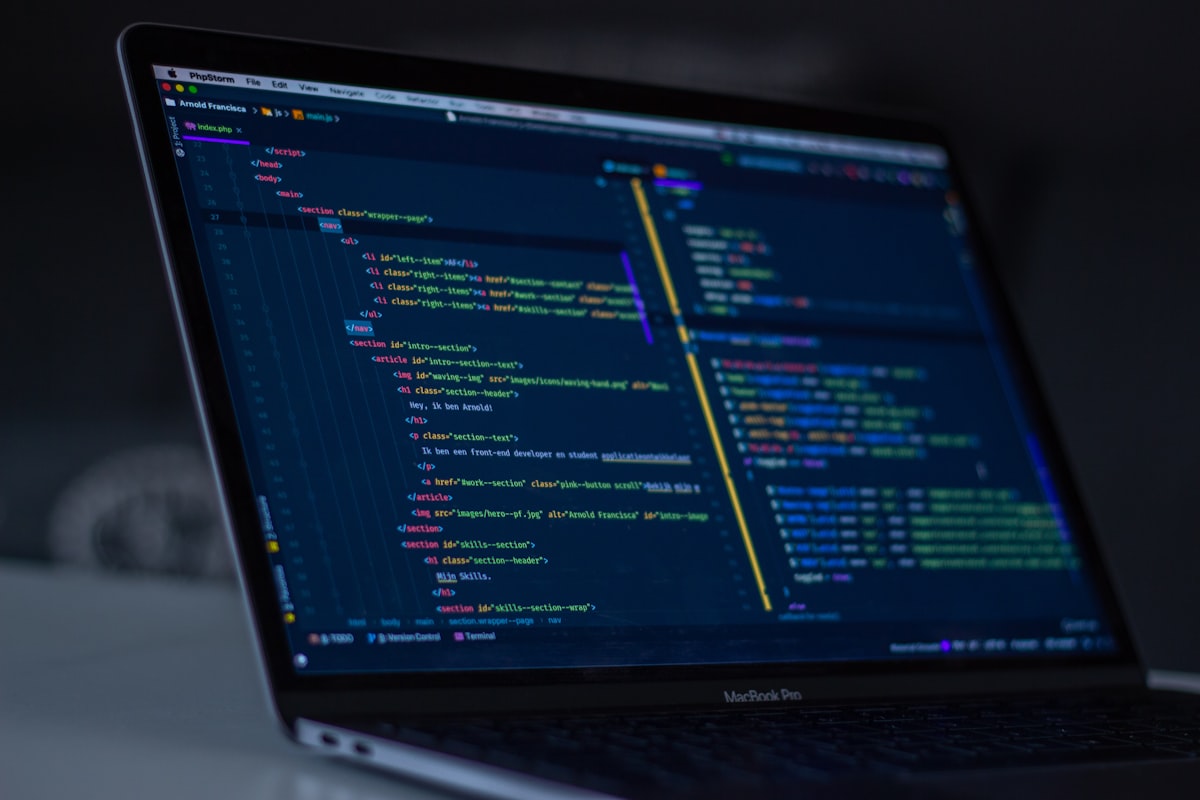
In June 2025 Google shipped Gemini CLI under Apache 2.0; within a year it passed 100,000 GitHub stars and merged 6,000+ community PRs. On May 19, 2026 at Google I/O the company announced that from June 18, free users and Google AI Pro/Ultra subscribers will no longer be served by Gemini CLI—they must move to the closed-source Antigravity CLI, where observed free-tier daily quotas dropped from roughly 1,000 calls/day to 20 (~98% reduction). Pain point: your Mac ~/.gemini/ setup, Agent Skills, and terminal workflows hit an auth wall in days. Conclusion: an open license does not guarantee an open service; prioritize paid API keys, alternative CLIs, and local/remote Mac routing before the cutoff. This article covers timeline, who is affected, Antigravity traps, a five-step runbook, and a routing matrix.
1. Pain Points: Why Devs Call It Bait-and-Switch
(1) Community labor, vendor-controlled runtime. The repo stays Apache 2.0, but OAuth-backed requests for individuals end June 18. Contributor Andrea Alberti—whose 27-commit PR merged the same day as the policy post—asked whether contributors were “working for free on a codebase that only serves enterprise customers.” (2) Double standard on “technical necessity.” Google cites a unified multi-agent platform; enterprise Standard/Enterprise licenses may keep both Gemini CLI and Antigravity while individuals are forced to migrate. (3) Replacement product gaps. Antigravity (agy) is a closed Go binary; Reddit reports Pro users hitting limits after 6–7 prompts; ACP, project memory (Markdown context), and docs trail the mature Gemini CLI ecosystem. (4) Mac toolchain blast radius. Teams pairing Gemini CLI with Cursor Agent Skills and OpenClaw must rewire auth and base URLs within two weeks.
2. Timeline (2025–2026)
| Date | Event |
|---|---|
| 2025-06 | Apache 2.0 launch; open contributions |
| 2025-06 – 2026-05 | 100k+ stars, 6k+ merged PRs |
| 2026-05-19 | Google I/O: Antigravity CLI; Gemini CLI access limits announced |
| 2026-05-23 | Backlash; GitHub Discussion #27274 heavily downvoted |
| 2026-05-29 | Linux Foundation highlights isitopen.ai at Open Source Summit |
| 2026-06-18 | Individual / Pro / Ultra requests stop being served |
3. Who Loses Access vs Who Does Not
| User segment | After June 18 | Notes |
|---|---|---|
| Google AI free | Blocked | Migrate or bring your own key |
| Google AI Pro / Ultra | Blocked | Same |
| Gemini Code Assist Individuals | Blocked | Includes IDE extension paths |
| Code Assist for GitHub (personal orgs) | No new installs; then shutdown | Enterprise Cloud path exempt |
| Code Assist Standard / Enterprise | Unchanged | Keep Gemini CLI |
| Paid Gemini / Enterprise API keys | Still works with Gemini CLI | Primary individual escape hatch |
FOSS Force’s Christine Hall: “Google didn’t change the open-source license—it shut down the infrastructure that made the tool useful.” Forking code without model API access yields a hollow shell.
4. Gemini CLI vs Antigravity: Decision Matrix
| Dimension | Gemini CLI (personal path closing) | Antigravity CLI |
|---|---|---|
| License | Apache 2.0 | Closed source |
| Free daily quota (community reports) | ~1,000/day | ~20/day |
| Multi-model / ACP | Mature plugin ecosystem | Gaps reported |
| Project memory | Markdown context files | Missing in early builds |
| Enterprise parallel use | Allowed with license | Can coexist (enterprise) |
5. Five-Step Mac Runbook Before June 18
Step 1 — Inventory auth mode
Check gemini auth status and ~/.gemini/. OAuth subscriptions die on cutoff day; paid API keys keep the open client alive.
Step 2 — Stand up API key path
Provision paid Gemini or Gemini Enterprise Agent Platform keys via Google AI Studio / Cloud. Log $/1M tokens and compare Claude Code and OpenRouter.
Step 3 — Backup configs
Archive ~/.gemini/, .agents/skills/, and MCP definitions. Antigravity’s interactive import exists—do not delete old dirs until validated.
Step 4 — Parallel-test alternative CLIs
Run Claude Code, Codex CLI, or Cursor-native models on Mac; keep MLX/Ollama offline fallback (see our OpenRouter routing posts).
Step 5 — Document infrastructure dependency
For every “open” AI CLI record: license, auth owner, quota owner, fork viability. Use isitopen.ai before sending large PRs.
6. Open Source vs Open Service
Classic OSS: fork and run. Cloud-native AI CLIs: code on GitHub, brain on vendor API. Partners like Dynatrace, Elastic, Figma, Shopify, and Stripe face migration overhead too—individuals are not alone. Google’s product-kill history (Reader,+, Stadia) amplifies distrust. Hard numbers: 100,000+ stars; 6,000+ merged PRs; quota shift 1,000 → 20 calls/day class; 31 downvotes on a top GitHub discussion comment as a sentiment proxy.
7. Case Study: One-Week Dual-Stack Migration
“An indie dev on a MacBook Pro maintaining three SaaS repos: Day1—Cloud API key with $15/day cap; Day2—heavy refactors to Claude Code; Day3—CI gemini calls routed via OpenRouter; Day4—remote Mac node runs Ollama+MLX for offline diff preview; Day6—Antigravity only for Cloud scaffold tasks. On June 17 OAuth expiry, zero terminal downtime—~9 hours total migration; abandoned Antigravity daily use on Day5 due to the 20-call ceiling.”
Lesson: official migration ≠ only option. Sustainable Mac stacks combine API keys, multiple CLIs, and remote compute—not single-vendor closed binaries.
8. Acceptance Checklist
Auth type confirmed □ | API key validated before 6/18 □ | Config backed up □ | Alternative CLI tested □ | Team wiki updated □ | Daily quota/cost caps set □ | Local/remote routing documented □
9. From Terminal OAuth to Mac Compute Nodes
Long Agent sessions, nightly test sweeps, and MLX baselines saturate unified memory and thermals before CLI branding matters. Windows/Linux can mount API keys, but parallel graphic/AI workflows with Xcode, FCP, ComfyUI, and launchd-backed OpenClaw still favor macOS. Keep Cursor orchestration on the laptop; push overnight regressions and Gateway traffic to a remote Mac to avoid “OAuth died and the notebook is thermal-throttling” the same week.
Policy will not revert overnight; dependency structure can. Community guards open code; rented Apple Silicon guards 24/7 execution. For stable remote Mac Agent and regression hosts, consider MACGPU nodes—light CLI on laptop, heavy queue in the rack.