2026 APPLE
FOLDABLE_
IPHONE_
FOLD_ULTRA.
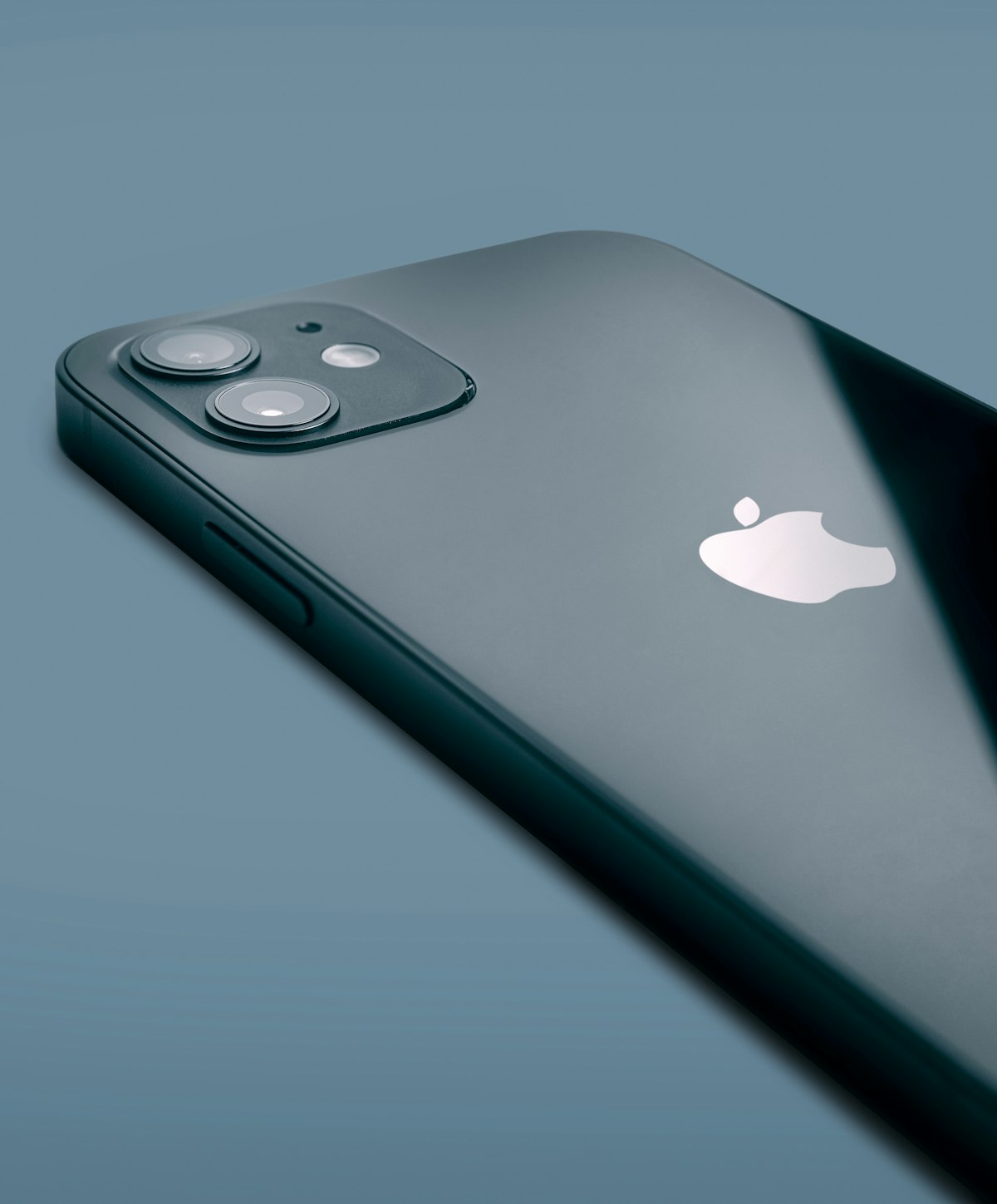
In June 2026, Apple's first foldable iPhone crossed from rumor into mass-production sprint: Samsung Display is cleared to build fold OLED panels, Foxconn is set for large-scale assembly by late July, and a September fall launch alongside iPhone 18 Pro looks nearly locked in. This guide is for upgraders and tech watchers, covering production confirmation, why Apple waited, iPhone Fold vs Ultra naming, launch and sale timelines, full spec tables, China/global foldable market share, analyst forecasts, five key uncertainties, and a five-step buy decision framework. Data as of June 25, 2026. Apple has not officially confirmed anything — treat the September event as the source of truth.
1. Cutting Through the Noise: What Should You Actually Believe?
1) Name confusion: "iPhone Fold" and "iPhone Ultra" are both in circulation — either could be wrong until Apple speaks. 2) Timeline whiplash: September announcement looks solid, but "on sale immediately" vs "delayed to early 2027" keeps trading places. 3) Spec trade-offs: A 4.7 mm unfolded body means no Face ID and no telephoto — a very different experience from iPhone Pro. 4) Price shock: Starting around $2,000 (China estimates ¥14,000–15,000), putting it in Huawei Mate XT flagship territory. 5) Ecosystem moats: Huawei still holds 60% of China's foldable market in Q1 2026 — whether Apple can move HarmonyOS loyalists is an open question.
2. Is Apple Actually Building a Foldable iPhone?
Yes — and it has moved past the prototype stage into production ramp.
Multiple supply-chain sources reported in June 2026 that Apple's first foldable iPhone received internal mass-production approval. Samsung Display has started building fold OLED panels for Apple, Foxconn will handle first-wave assembly, and the plan calls for large-scale production in late July 2026 and a September announcement. OLED lines are already running in Vietnam, hinge suppliers are under contract, and product specs are reportedly finalized — Apple is committed on this one.
3. Why Did Apple Wait So Long?
Huawei launched the Mate X in 2019 and held as much as 71.8% of China's foldable market by 2025 (still 60% in Q1 2026). Samsung has been iterating for years. Apple's playbook has always been: not first — best.
- Hinge durability: Liquid Metal plus 3D-printed components, targeting a million-cycle fold test
- Display stack redesign: Samsung's custom next-gen fold OLED — polarizer removed, color filter integrated into the stack for a thinner, brighter, more efficient panel
- Near-invisible crease: Metal stress-distribution plate plus self-healing coating, aiming for a crease you barely notice
- Software readiness: iOS 27's foldable multitasking framework lets apps run side-by-side on the unfolded canvas
Apple waited until the whole chain reached "good enough to sell," not merely "good enough to demo." By 2025–2026, that bar was finally in reach.
4. iPhone Fold or iPhone Ultra — What's It Called?
iPhone Fold: Used by Mark Gurman (Bloomberg) and others, emphasizing form factor. iPhone Ultra: Used by Chinese supply-chain leakers and some analysts, signaling top-tier positioning. Given the Mac Pro → Mac Ultra and Apple Watch Ultra naming pattern, iPhone Ultra looks more likely — and it fits a ~$2,000 price tag. This article uses iPhone Fold / Ultra interchangeably until Apple picks one.
5. Release Timeline: September 2026 Announcement, Q4 Sales
| Milestone | Event |
|---|---|
| April 2026 | Foxconn first trial production run |
| June 22, 2026 | Samsung Display approved for fold OLED mass production — first batch ~3 million panels |
| Late July 2026 | Foxconn begins large-scale mass production |
| September 2026 | Fall event, announced alongside iPhone 18 Pro / Pro Max (Gurman confirmed in April) |
| Q4 2026 | Consensus retail window: October–December |
Bull case: On sale within weeks of the September event, possibly in sync with iPhone 18 Pro. Bear case: Hinge yield challenges — reports of slight creaking in repeated fold tests fueled a mid-June "pushed to 2027" rumor that supply-chain contacts quickly denied. iOS 27 source code already references foldable-specific APIs (foldState, angleDegrees).
6. Full Specs Breakdown
6.1 Form Factor
A horizontal book-style foldable — chunky when closed, small-tablet when open. Closest analog is Samsung's Galaxy Z Fold, but wider proportions. Insiders describe it as a "mini iPad experience": passport-sized folded, iPad mini-sized unfolded.
6.2 Dimensions & Thickness
| State | Dimensions | Thickness |
|---|---|---|
| Folded | ~120.6 × 83.8 mm | ~9.4 mm (excluding camera bump) |
| Unfolded | ~120.6 × 167.6 mm | ~4.7 mm |
| Thickest point (with cameras) | — | ~13.9 mm |
6.3 Displays
| Panel | Size | Technology |
|---|---|---|
| Inner (main) | 7.8-inch OLED | Samsung exclusive — polarizer-less stack to reduce crease visibility |
| Outer (cover) | 5.5-inch OLED | Short, wide aspect ratio — better for landscape use |
Samsung and Apple reportedly signed a three-year exclusive supply deal, with initial output around 3 million panels per year.
6.4 Chip & Core Hardware
| Component | Spec |
|---|---|
| SoC | Apple A20 (TSMC 3nm/2nm, same generation as iPhone 18) |
| Modem | C2 modem (Apple in-house, first deployment on a flagship iPhone) |
| RAM | 12 GB |
| Storage | TBD (256 GB base expected) |
6.5 Cameras
The 4.7 mm unfolded body forces camera compromises: dual rear — 48 MP main + 48 MP ultrawide (no telephoto or periscope); dual front — one per screen, both punch-hole (Apple's first flagship with dual front cameras plus hole-punch, not Dynamic Island).
6.6 Biometrics: Touch ID, Not Face ID
The unfolded thickness cannot fit Face ID's structured-light module. Apple is bringing back side-button Touch ID on the power key — the first return of Touch ID on a flagship iPhone in years.
6.7 Colors & Pricing
Leaked finishes: Black and White (Ice Universe posted white-unit imagery). Starting price ~$2,000 (China estimates ¥14,000–15,000, top trims possibly above ¥20,000) — the most expensive iPhone ever, squarely aimed at Huawei Mate XT flagship buyers.
7. Market Landscape: Huawei's Moat vs Apple's Entry
7.1 Where Foldables Stand Today
| China Q1 2026 (IDC) | Share | Global 2025 (TrendForce) | Share |
|---|---|---|---|
| Huawei | 60% | Samsung | 38.1% |
| Honor | 21% | Huawei | 29.3% |
| OPPO | 6% | Other Android | ~32% |
| vivo | 5% | Huawei Pura X cumulative shipments exceed 1.5 million units | |
| Xiaomi | 4% | ||
7.2 Analyst Forecasts After Apple Enters
| Firm | Forecast |
|---|---|
| Counterpoint Research | Apple captures ~28% of global foldables in 2026, closing on Samsung |
| TrendForce | First-year volume ~11 million units, including ~3 million in China |
| Three-way split (global) | Apple ~28%, Samsung ~35%, Huawei ~20% |
Apple's edge: 1.5 billion+ iOS ecosystem lock-in, iPhone brand loyalty, iOS 27 native split-screen, and markets where Huawei cannot compete (North America, much of Europe). The Huawei threat is mainly in global premium share; in China, HarmonyOS barriers mean Apple is unlikely to dislodge Huawei's base quickly.
8. What Could Still Change?
1) Hinge yield: Whether creaking is fully resolved — ramp speed determines on-sale timing. 2) TSMC 2 nm capacity: A20 depends on leading-edge nodes with limited supply. 3) Final naming: Fold vs Ultra still undecided. 4) Official silence: As of publication Apple has said nothing; support reps report "no new information." 5) China pricing & policy: Tariffs and FX could push local pricing above straight currency conversion.
9. Five-Step Buy Decision Checklist
Step 1: On iPhone 15/16? Wait for the September event — only then can you judge whether $2,000 makes sense.
Step 2: Huawei foldable owner? Audit your HarmonyOS dependencies — Apple is unlikely to flip that overnight.
Step 3: Deep in the iPhone ecosystem? This is the first chance at a native Apple foldable experience.
Step 4: Watch Q4 availability — if hinge ramp slips, early 2027 may bring a better price window.
Step 5: Developers and early adopters can test foldable multitasking APIs in iOS 27 beta — use a spare device or a remote Mac node for Xcode simulators; don't risk your daily driver on unstable builds.
10. Deep Dive: How iOS 27 Foldable APIs Reshape Developer Workflows
One indie team started adapting right after WWDC 2026: Xcode 27's foldable layout APIs require apps to reflow dual-pane UI whenever foldState changes. On a local MacBook Air, a single Xcode beta build averages 8–12 minutes, and the simulator cannot reproduce physical hinge latency. Their migration path: ① keep primary development local; ② offload nightly CI and foldable UI screenshot regression to a remote Mac M4 Pro node; ③ install device betas only on test hardware. Apple's real foldable moat is not megapixels — it is iOS 27 native split-screen plus mandatory App Intents, a full generation ahead of Android's "wait for apps to catch up" cycle. If you are shipping for a September Fold/Ultra launch, building a reliable Apple Silicon compile pipeline now matters more than queuing for day-one hardware.
11. FAQ
Q: Is Apple making a foldable phone?
A: Supply-chain sources confirm mass-production approval and a very likely September reveal — but Apple has not announced it officially.
Q: iPhone Fold vs Huawei foldables — which wins?
A: Huawei leads on China ecosystem maturity and crease control; Apple leads on iOS, global services, and iOS 27 multitasking. Your OS lock-in decides.
Q: Why no Face ID?
A: At 4.7 mm unfolded, there is no room for structured-light Face ID — Touch ID on the power button fills the gap.
Q: Is it worth waiting?
A: iPhone ecosystem users should wait for September; non-Apple users should not switch ecosystems solely for a foldable.
12. Bottom Line: Foldable iPhone Is Coming — Stabilize Your Mac Workflow First
You can read the news on Windows or Linux, but iOS 27 beta testing, Xcode foldable API work, Metal graphics debugging, and 24/7 CI builds still run best on Apple Silicon Mac. A foldable iPhone raises the bar on "phone as tablet" compute — developers need more local compile and simulation headroom. If Xcode beta has already eaten your RAM or your overnight builds are thermal-throttling your machine, MACGPU remote Mac nodes can absorb foldable UI regression and parallel compiles without a hardware upgrade: unified memory, native Metal, zero toolchain friction. The strongest foldable lineup in years lands this fall — get your Mac pipeline solid before the rush.