2026 APPLE
CXMT_PRICE_
STANDOFF.
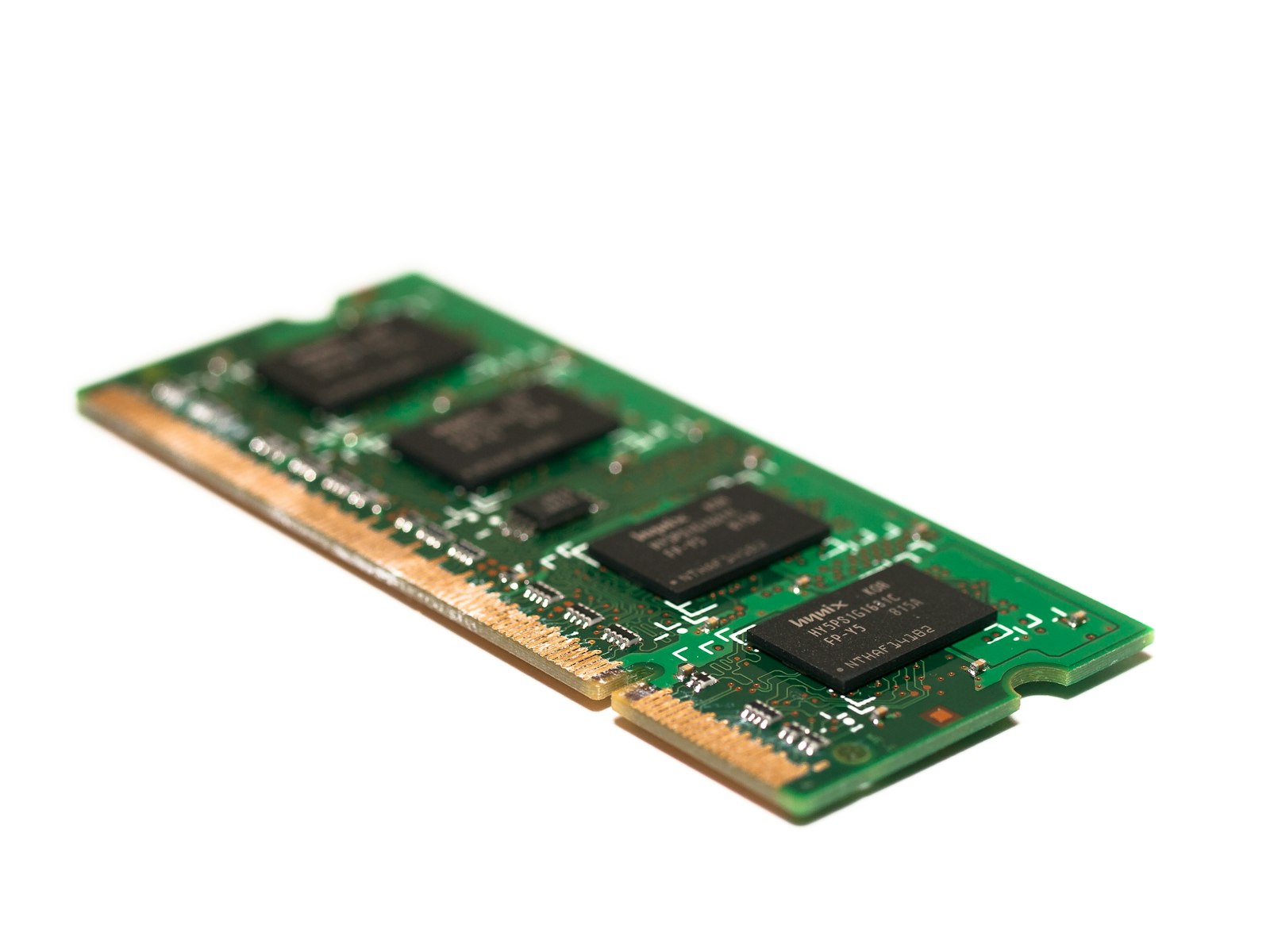
Lead: Pain: DRAM costs already pushed MacBook and iPad prices up ~20%, and readers want to know if Apple’s classic “qualify a cheaper Chinese alternative” lever still works. Verdict: DigitalDaily and China Fund News reports from August 5–6, 2026 say ChangXin Memory Technologies (CXMT) refused an LPDDR5X quote below Samsung and SK Hynix—neither company has confirmed. Roadmap: 5W brief, timeline, key facts, why CXMT said no, comps, politics, five-step tracker, FAQ.
5W · TL;DR
| When | 2026-08-05/06 multi-outlet rumor chain (unconfirmed) |
| Who | Apple vs CXMT; incumbents Samsung Electronics, SK Hynix |
| What | Reported ask: LPDDR5X mobile DRAM under Korean pricing; CXMT refused |
| Outcome | Quotes at or above Korean rates; leverage chip failed to materialize |
| Caveat | No official confirmation from Apple or CXMT—treat as industry chatter |
1. What's Actually Being Reported
For years, Apple has managed component costs by qualifying a second or third supplier and using that leverage to push incumbents lower—it did this with BOE against Samsung Display on OLED panels, and with mainland assemblers like Luxshare to reduce dependence on Foxconn. Facing a historic DRAM price surge in 2026, Apple applied the same logic to memory: get CXMT (and separately, YMTC for NAND) qualified as suppliers, then use that as leverage in contract talks with Samsung, SK Hynix, and Micron.
According to the reports, that's where the plan stalled. Apple pushed CXMT for an LPDDR5X mobile DRAM quote undercutting Samsung and SK Hynix. CXMT refused, quoting prices at or above the two Korean firms' rates for comparable specs—effectively declining to play the role of "cheap alternative" that Apple needed. The reported reason isn't that CXMT couldn't compete; it's that CXMT didn't need to.
- Seller’s market. AI infrastructure is pulling capacity into HBM; TrendForce sees Q3 2026 DRAM contract prices up 13–18% QoQ.
- Capacity already sold. Huawei and Xiaomi lockups through 2027; ByteDance up to $7B / 5 years; Tencent up to $3B.
- Political heat. Senators Schumer and Banks demand a public no-CXMT/YMTC pledge by August 21—even if Chinese memory were cheaper.
2. Timeline: From Quiet Qualification to Public Standoff
| Date | Event |
|---|---|
| 2022 | Apple pursued a YMTC supply deal; Senator Schumer led blocking efforts; YMTC later added to the Entity List |
| 2024-01 | Pentagon adds YMTC to Section 1260H list |
| 2025 | Pentagon adds CXMT to the same 1260H list |
| 2026-05-17 | CXMT Corp’s Shanghai IPO review moves from suspended back to under inquiry |
| 2026-06-25 | Apple raises MacBook, iPad, and other hardware ~20% globally, citing memory and storage costs |
| 2026-06-27 | FT: Apple lobbies US government to approve CXMT sourcing; Cook reportedly raised it with Treasury Secretary Bessent |
| 2026-07 | CXMT signs up to $7B / 5-year deal with ByteDance; June: up to $3B with Tencent |
| 2026-07-27 | CXMT Corp lists on STAR Market at 8.66 yuan; opens >465%; market cap above 3.3 trillion yuan |
| 2026-07-29/30 | Schumer, Banks et al. letter to Cook: public commitment by Aug 21 not to use CXMT/YMTC |
| 2026-08-05/06 | Korean and Chinese financial media: price talks collapsed; CXMT refuses to undercut Samsung/SK Hynix |
3. Key Facts at a Glance
| Metric | Figure |
|---|---|
| CXMT Q1 2026 revenue | 50.8B yuan, +719% YoY (company-reported; treat with caution) |
| H1 2026 revenue guidance | 110–120B yuan, +612–677% YoY |
| H1 2026 net profit guidance | 50–57B yuan (vs. 4.08B yuan net loss a year earlier) |
| Global DRAM share | Samsung + SK Hynix + Micron >90%; CXMT ~7%, #4 (Counterpoint) |
| IPO size | ~57.9B yuan (up to 66.6B with over-allotment)—largest STAR IPO |
| First-day market cap | ~3.3T yuan, briefly China’s most valuable A-share |
| Major long-term customers | Huawei, Xiaomi (through 2027); ByteDance ($7B/5y); Tencent ($3B) |
| DRAM outlook | TrendForce: Q3 2026 contract ASP +13–18% QoQ |
| US regulatory exposure | Both on 1260H; NDAA §5949 bars federal buys with CXMT/YMTC chips from Dec 2027 |
Sources: China Fund News, 21Jingji, Counterpoint, TrendForce, CXMT Corp IPO filings, US Senate Foreign Relations Committee (May–August 2026; company-reported figures flagged).
4. Why CXMT Could Afford to Say No
4.1 Capacity already sold—to Chinese buyers who don’t need a discount pitch
Huawei and Xiaomi have reportedly locked capacity through high-price contracts running through 2027; ByteDance and Tencent added multi-year deals worth up to $7B and $3B. There is no idle capacity waiting for Apple, and no reason to discount for a customer that has not proven it will place large orders at current prices.
4.2 Export controls accidentally became a price floor
Barred from EUV under US export rules, CXMT relies on older DUV tools. A Tech Times–cited cost analysis estimates ~30% more wafer starts for the same DRAM output versus an EUV-equipped peer. Matching Samsung/SK Hynix prices sits near CXMT’s cost floor—not a luxury discount Apple can demand away.
4.3 The broader DRAM market flipped seller-friendly
Samsung, SK Hynix, and Micron are reallocating capacity toward higher-margin HBM. In an industry-wide shortage, CXMT has little incentive to sacrifice signed, high-priced long-term contracts for a deal with a customer that might never place a comparably large order.
5. How This Compares to Apple’s Past Leverage Plays
| Case | Timeframe | Apple’s “alternative” | Outcome |
|---|---|---|---|
| OLED panels | ~2020 | BOE | Pressured Samsung Display into better terms |
| NAND attempt | 2022 | YMTC | Blocked; Entity List; deal never happened |
| Assembly diversification | Ongoing | Luxshare et al. | Reduced Foxconn dependence; improved leverage |
| DRAM (this case) | 2026 | CXMT | Reportedly refused to discount; leverage failed |
Apple’s plays worked when the alternative supplier needed Apple’s order to prove itself. CXMT walked in holding high-priced multi-year contracts from Huawei, Xiaomi, ByteDance, and Tencent—fresh off a record IPO. It simply didn’t need Apple’s validation the way BOE once did.
6. The Controversy: Confirmation Gaps and the Bigger Fight
- Still an unconfirmed rumor chain. Reports trace to DigitalDaily and China Fund News citing unnamed sources; neither Apple nor CXMT has confirmed prices, rounds, or terms. Treat numbers as chatter until one side confirms.
- The bigger fight is political. A week before the pricing story, Schumer, Banks et al. demanded a public commitment by August 21, 2026 not to use CXMT or YMTC—even in China-only devices—citing the Pentagon’s 1260H list.
- State backing is part of the controversy. Senate materials say state-owned shareholders held >35% pre-listing; profitability arrived with the global shortage after years of state-supported losses. Senators compare this to past playbooks in steel, batteries, and shipbuilding—though CXMT’s reported refusal to undercut cuts against the “dumping” narrative for this specific negotiation.
- Apple’s purchase intent may always have been modest. BofA analysts had flagged CXMT mainly as psychological leverage for 2H talks with Samsung, SK Hynix, and Micron. Political cost—lobbying, senator letters, public qualification chatter—may already outweigh gains.
7. Five-Step Tracker: How to Follow This Story
- Label it unconfirmed until a primary statement appears. No Apple/CXMT press release → keep the “rumor” tag.
- Watch the August 21 political deadline. The senators’ pledge request shapes Apple’s public narrative regardless of commercial outcome.
- Cross-check Q3 DRAM contract prints. Use TrendForce-style ASP guidance (+13–18% QoQ) as the backdrop for Apple’s leverage.
- Separate qualification from volume POs. Supplier testing is a pre-purchasing step—not evidence of iPhone/Mac BOM placement.
- Map cost pass-through to your Mac/AI budget. If local inference, video, or always-on agents eat unified memory, compare buying a high-spec Mac versus renting a remote Mac node for peaks.
8. FAQ
Is Apple actually using CXMT chips in products right now?
No evidence points to that. Reports describe supplier qualification tests—not production orders. Per the latest reports, the price negotiation itself has broken down.
Why would CXMT turn down the world’s biggest smartphone maker?
Reportedly because it didn’t need to. Q1 2026 revenue grew over 700% YoY; capacity is committed through 2027 via high-price contracts with Huawei, Xiaomi, ByteDance, and Tencent. DUV-only cost structure also leaves little room to discount.
Why do US senators object even if Chinese memory were cheaper?
National security, not price. Both firms sit on the Pentagon’s 1260H list. Senators argue Apple reliance could encourage other US firms to follow and undercut domestic chip investment.
Will this affect iPhone or iPad prices?
Apple already raised MacBook and iPad prices ~20% in June 2026 citing memory costs. Weaker leverage this fall makes further pass-through plausible—but nothing official ties a specific SKU hike to this negotiation.
Is CXMT a real global peer to Samsung and SK Hynix yet?
Still mostly domestic/second-tier for top-brand supply chains. This reported Apple contact would have been its closest shot—and the refusal to discount is itself a signal.
9. Why This Matters Beyond One Negotiation
Chinese suppliers have historically been treated as cut-rate alternatives useful mainly for extracting discounts from Korean and American incumbents. CXMT’s reported 700%+ Q1 growth, trillion-yuan-scale IPO, and brief run as China’s most valuable listed company point elsewhere: in DRAM, CXMT may no longer need to win on price the way a challenger typically would.
For Apple, if the reports hold, the practical consequence is losing a bargaining chip heading into second-half renewals with Samsung and SK Hynix—right as both shift capacity toward higher-margin HBM. That dynamic already showed up in Apple’s June 25, 2026 hardware price hike. Further cost pass-through to consumers—including potentially the iPhone lineup—is worth watching, though nothing has been officially confirmed.
10. Close: When DRAM Inflates Mac CapEx, Rent the Peak
Memory inflation hits the BOM first: a maxed Mac mini or Mac Studio gets harder to justify as a one-shot purchase, yet AI inference, video, and always-on agents still want Apple Silicon unified memory and Metal. Buying outright fits sustained full utilization; for bursty peaks, idle depreciation hurts more.
A cleaner split: put peak load on a MACGPU remote Mac node—rent Apple Silicon on demand, SSH in, shut it down when done, keep light work local. Seller’s-market DRAM may not fade quickly; converting unified-memory peaks from CapEx into metered OpEx is often the steadier move.