iOS 27 Апгрейд
SIRI_AI_
DEVICE_
MATRIX.
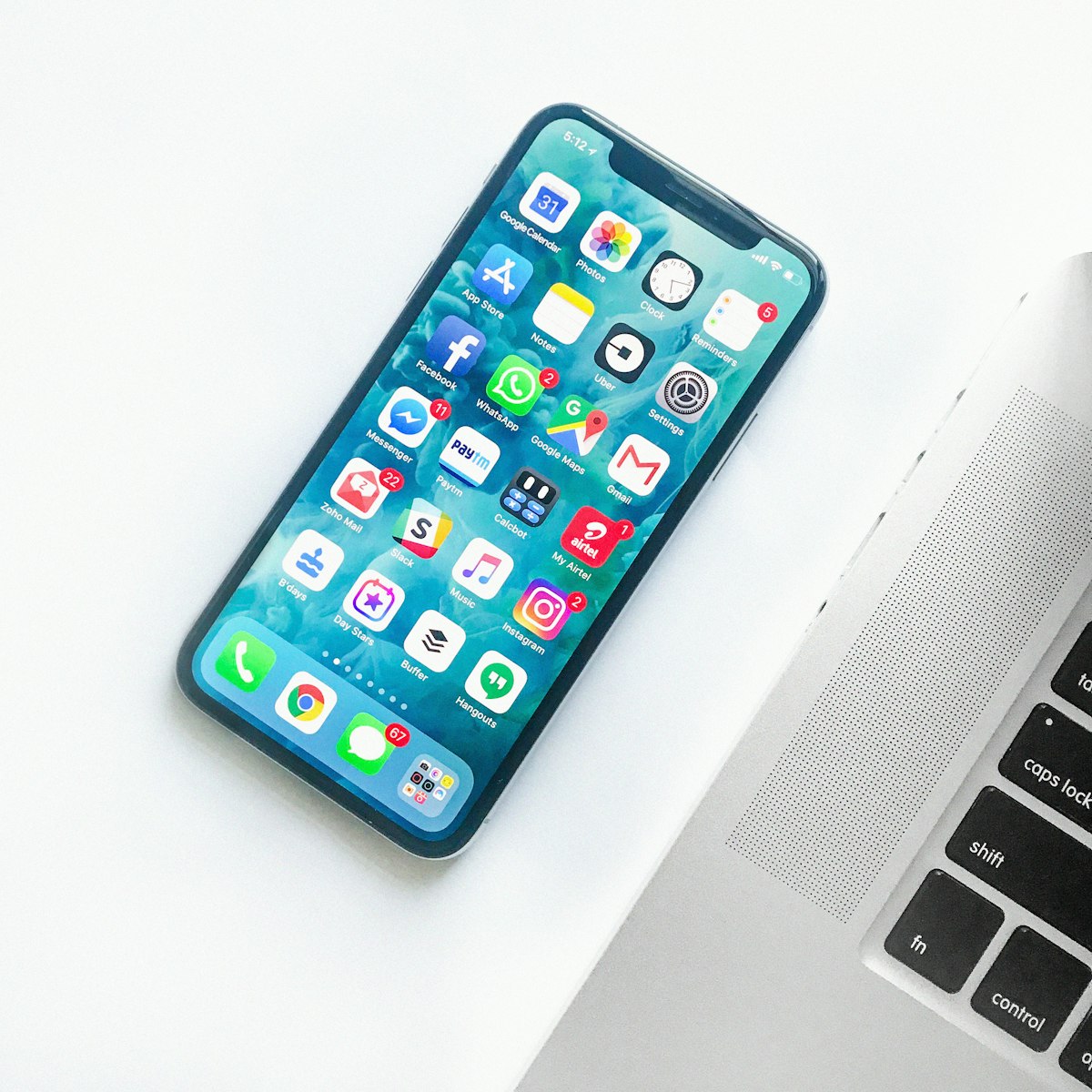
WWDC 2026 (8 июня) выпустила iOS 27. Вопрос сместился с «поддерживается ли мой iPhone» на «какой throughput Siri AI получит Neural Engine и хватит ли unified memory для on-device inference». Этот технический гайд фиксирует post-Keynote baseline: таблица уровней функций, матрица решений iPhone 11–17, профиль автономности по поколениям, график beta и два реальных сценария — iPhone 12 Pro vs 15 Pro Max. Структура: bottleneck-анализ → изменения стека → hardware tiers → матрица → battery draw → 5-step runbook → case studies → Mac offload.
1. Bottleneck-анализ: четыре точки отказа после WWDC
1) Installable ≠ inference-capable: iOS 27 сохраняет support list iOS 26 (iPhone 11+, zero EOL), но Siri AI требует минимум iPhone 15 Pro с A17 Neural Engine. Миллионы устройств получат OS overhead без AI throughput.
2) Battery regression на деградированных cell: Apple заявляет Snow Leopard-class оптимизации (cold start +30 %, AirDrop +80 %), но background AI daemons + battery health <80 % дают −10…−15 % runtime на iPhone 11/12.
3) Beta window: Developer Beta с 8.06, Public Beta ~июль — без изоляции primary device превращается в production crash test.
4) Ecosystem split: Siri AI history sync через iCloud на iPad/Mac, но Agent pipelines (OpenClaw, MLX inference) живут на Apple Silicon Mac — апгрейд iPhone не закрывает compute gap.
2. iOS 27: изменения в стеке (Keynote hard facts)
2.1 Siri AI — полный рефакторинг inference path
Standalone Siri App: full chat UI, history, image upload, multi-turn context; E2E encrypted iCloud sync iPhone/iPad/Mac.
Dynamic Island: persistent entry point — latency profile близок к cloud assistant, on-device routing на A17+.
On-Screen Awareness: screen context parsing, cross-app action chains (mail → calendar pipeline без ручного copy-paste).
Visual Intelligence + Write with Siri: camera object ID через Neural Engine; style-adaptive generation.
⚠️ Launch только EN; EU/CN blocked; top-tier on-device model — exclusive iPhone 17 Pro / Pro Max / Air (max ANE throughput).
2.2 Liquid Glass fix + performance release
Settings: global opacity slider (0–100 %), reduced refraction artifacts. Benchmarked gains: app launch до +30 %, Photos import +70 %, AirDrop +80 %; новый CPU scheduler улучшает context switch даже на iPhone 11. Positioning: «Snow Leopard for iOS» — меньше UI shader load, больше measurable latency reduction.
3. Support list vs feature tiers (hardware gating)
| Tier | Devices | Throughput scope |
|---|---|---|
| iOS 27 base | iPhone 11+ (SE 2/3) | Perf opts, Liquid Glass slider, app updates |
| Apple Intelligence (base) | iPhone 15 Pro / Pro Max+ | On-device writing, image tools, standard AI |
| Siri AI (full) | 15 Pro+, 16/17 all | Multi-turn, cross-app, screen awareness, standalone app |
| Top-tier on-device | iPhone 17 Pro / Pro Max / Air | Max local model, full Visual Intelligence + Agent |
❌ Drop: iPhone XS/XS Max/XR и старше. Apple: «largest coverage ever» — но AI gate остаётся на 15 Pro / A17 Neural Engine.
4. Матрица апгрейда iPhone 11–17
| Verdict | Model | Rationale | Battery profile |
|---|---|---|---|
| ✅ Strong go | 15 Pro/Max, 16 all, 17 all | Full Siri AI + perf gain; battery flat or better | Optimal |
| 👍 Go | 13/14 all, 15 / 15 Plus | Noticeable speedup; no Siri AI, rest intact | Neutral |
| ⚠️ Caution | 12 all | No AI tier; aged battery → −10…−15 % runtime | Degraded |
| ❌ No-go | 11 all, SE 2 | Apple: «runs ≠ runs well»; Face ID, camera, BG tasks slower | Highest risk |
Hard numbers: Developer Beta 2026-06-08 · Public Beta ~July · GA Fall 2026 · battery swap ~$99 · iPhone 11 cold start still 2–3 s behind 15 Pro · AirDrop boost до 80 %.
5. Battery draw post-upgrade — per-generation profile
Mark Gurman (Bloomberg): battery improvement — explicit dev target; codebase cleanup + new scheduler снижают idle draw теоретически. Практика по поколениям:
| Model | Expected delta | Action |
|---|---|---|
| iPhone 11 / 12 | ⚠️ −10…−15 % | Battery <80 %: swap first or wait GA feedback |
| iPhone 13 | 🟡 Slight negative to flat | Acceptable; 2+ year horizon realistic |
| iPhone 14 / 15 | ✅ Flat to slight gain | Benefits from scheduler + code path opts |
| iPhone 15 Pro+ | ✅ Possible improvement | AI workloads tuned for A17/A18/A19 ANE |
6. 5-step runbook: beta now or hold?
Step 1 — Model ID & battery health
Settings → General → About (model); Settings → Battery → Maximum Capacity (%). iPhone 12− at <80 %: cell swap before OS bump.
Step 2 — Map to feature tier table
If Siri AI dialog is primary goal, iOS 27 on <15 Pro delivers zero conversational AI — evaluate hardware swap or Mac compute offload.
Step 3 — Beta channel selection
Developer Beta (from 8.06): Settings → General → Software Update → Beta Updates; free Apple ID.Public Beta (~July): beta.apple.com enroll, same path.GA: Fall 2026 — default for production devices.
Step 4 — Backup & isolation
Full iCloud/local backup pre-flash; never first on primary iPhone. Single-device household: Public Beta 2 or GA.
Step 5 — Liquid Glass tuning & perf validation
Set opacity slider to comfort zone; benchmark 5 core apps (launch latency, AirDrop throughput) vs iOS 26 baseline.
7. Case studies: два типичных upgrade path
Path A — iPhone 12 Pro (battery 76 %):
Developer Beta day 3: runtime «full day» → «dead by 16:00»; Siri = legacy overlay, zero Siri AI inference. Decision: $99 cell swap + rollback to iOS 26.5, re-eval at September GA — verdict: on aging Pro, stability + fresh cell beats beta OS overhead.
Path B — iPhone 15 Pro Max:
Beta week 1: Siri AI parses flight from Mail → calendar event; Dynamic Island multi-turn at acceptable latency. Parallel: OpenClaw Agent on remote M4 MACGPU node 7×24 — iPhone = ingress, Mac = compute. Monthly rent ≈ 15 % of new M4 Pro CAPEX; validate Agent pipeline before hardware buy.
iOS 27 value correlates hard with silicon generation. From 15 Pro: system + AI dual upgrade; older gens add OS tax without AI ROI. For Agent automation, local LLM inference (MLX), cross-app pipelines — iPhone bump insufficient; Apple Silicon Mac (16 GB+ unified memory) remains compute layer for OpenClaw, MLX, Cursor Agents.
8. iPhone ceiling → Mac offload & remote node
Siri AI efficiently routes through Neural Engine, but cannot sustain 70B local inference or ComfyUI batch render — thermal and memory bandwidth hard limits. iOS 27 = mobile ingress + notification hub; heavy compute belongs on Mac. Intel Mac and 8 GB M1 hit same ceiling under macOS 27 as iPhone 11 under iOS 27.
If Siri AI tiers exposed smartphone AI cap, but local Mac lacks RAM headroom or thermal headroom: rent MACGPU remote Mac — weekly/monthly M4 Pro/Max node for OpenClaw Gateway, MLX experiments, beta isolation. Production iPhone/Mac stay on stable; rental compute delivers predictable AI throughput without WWDC impulse CAPEX.