2026 MAC MINI M4
+33.3%_
ARENDA_VS_
POKUPKA_TCO.
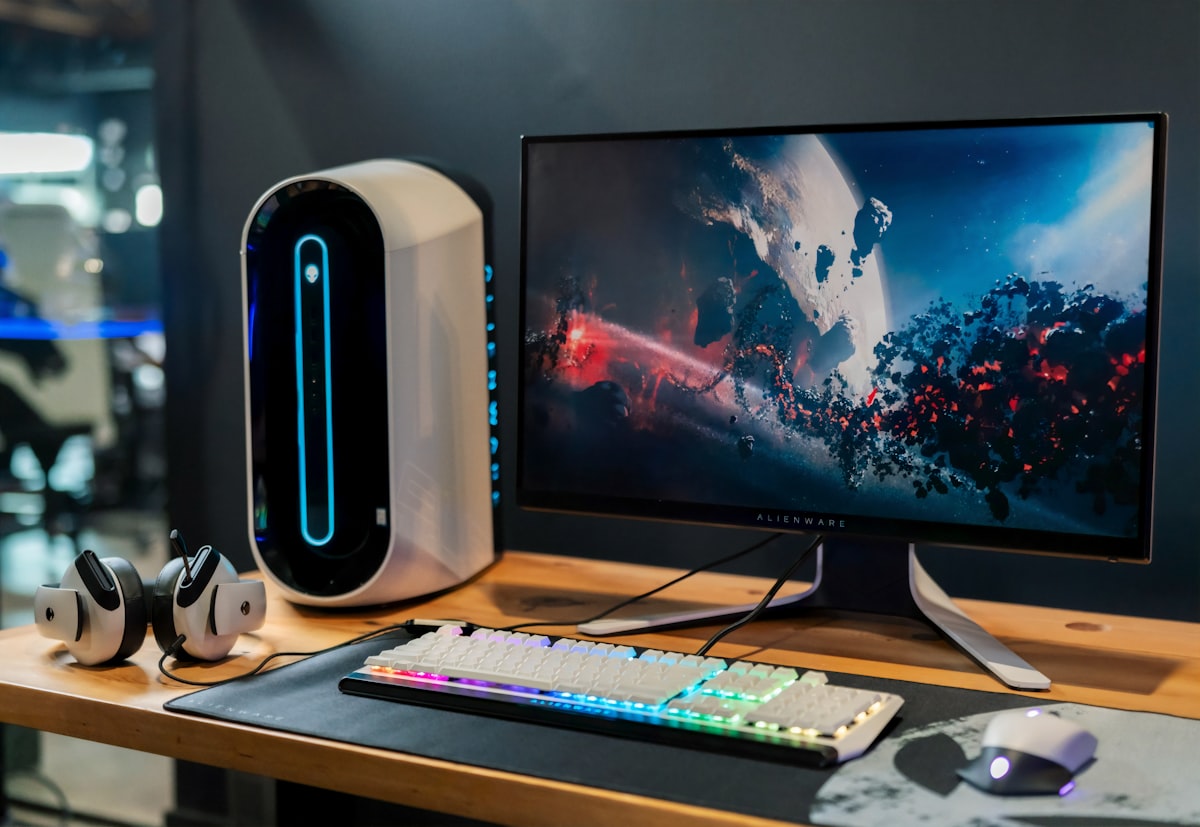
// PAIN: 25.06.2026 Apple подняла Mac mini M4 base с $599 → $799 (+33,3 %) — entry CapEx для Apple Silicon pipeline вырос на $200 за одну ночь. // VERDICT: при горизонте использования < 12–15 мес. (iOS sprint, freelance, project-based team) bare-metal аренда MACGPU даёт ниже TCO, чем покупка. // STRUCTURE: Apple statement · price matrix · 3-year TCO · rental tiers · scenario tables · break-even 13–16 mo · user matrix · bare-metal vs VM · 5-step runbook · case study · FAQ.
1. Pain breakdown: почему покупка после price hike — плохой default
1)CapEx shock +$200 — Mac mini M4 16GB/256GB: max hike в линейке Mac, upfront cash flow ↑. 2)Sticker price ≠ TCO — AppleCare+, power (~30W TDP sustained compile), static IP/VPN tunnel, peripherals → $9 000–11 000+ за 3 года. 3)Utilization mismatch — iOS dev нужен Mac только на release window; железо idle, depreciation linear. 4)Virtualized macOS — cheap «cloud Mac» = EULA violation, Xcode signing + Metal throughput penalty 20–40 %. 5)Remote access stack — self-hosted mini требует VPN/tunnel/static IP: $300–600/год OPEX поверх CapEx.
Ниже — числовой разбор: реальный TCO покупки vs аренда bare-metal Mac mini M4 MACGPU.
2. Apple statement 25.06.2026
Store offline → reprice Mac/iPad. Официальная формулировка:
«Consumer electronics industry faces unprecedented challenges. AI datacenter expansion drove memory and storage demand to levels we have never seen — component costs rising faster than ever. We absorbed increases as long as possible; we must now adjust prices across multiple products.»
—— Apple Inc., 25 June 2026
Translation для инженера: DRAM/ NAND supply squeeze от AI training clusters → Apple перекладывает BOM delta на retail. iPhone / Watch / AirPods пока flat — но guidance намекает на следующую волну.
| SKU | Old MSRP | New MSRP | Delta |
|---|---|---|---|
| Mac mini M4 16GB/256GB | $599 | $799 | +33,3 % |
| Mac mini M4 16GB/512GB | $699 | $999 | +27,3 % |
| MacBook Neo entry | $599 | $699 | +19,6 % |
| MacBook Air 13" | $999 | $1 199 | +17,6 % |
| MacBook Pro 14" | $1 599 | $1 899 | +18,5 % |
| iMac | $1 299 | $1 549 | +19,1 % |
| Mac Studio | $1 999 | $2 399 | +21,2 % |
Global sync: US base $599 → $799; Hong Kong HK$4 599 → HK$6 499 (+41,3 % intraday).
3. Purchase TCO: MSRP — только верхушка iceberg
3.1 Post-hike MSRP matrix
| Config | US MSRP | EU indicative |
|---|---|---|
| M4 16GB / 256GB | $799 (was $599) | €899 (was €699) |
| M4 16GB / 512GB | $999 | €1 099 |
| M4 Pro 24GB / 512GB | $1 599 | €1 799 |
| M4 Pro 48GB / 512GB | $1 999+ | €2 199+ |
3.2 Hidden OPEX — 3-year model (16GB/512GB baseline)
| Line item | Annual | 3-year sum |
|---|---|---|
| AppleCare+ | $99/yr | $297 |
| Power (~30W, 8h/day load) | ≈$25/yr | ≈$75 |
| Network / public IP (remote access) | $300–600/yr | $900–1 800 |
| Display, KB, mouse | one-time | $800–3 000 |
| Subtotal hardware + peripherals | — | $8 983–11 083 |
True 3-year TCO: $9 000–11 000+. Excludes: maintainer time, residual value (~40–55 % secondary market), M5/M6 obsolescence tax, post-warranty repair CapEx.
4. Bare-metal rental MACGPU: pricing tiers
Не shared VPS — dedicated Apple Silicon physical node в datacenter, access via SSH + VNC/RDP. Unified memory pool без hypervisor tax.
MACGPU stack: ✅ 100 % genuine Apple hardware · ✅ unrestricted root/sudo · ✅ day/week/month/quarter billing · ✅ SSH / VNC / RDP ingress · ✅ on-demand provision / teardown
| Billing cycle | Reference rate (16GB/512GB) | Workload fit |
|---|---|---|
| Daily | ≈$30–50/day (~$5–7/day) | Spike test, CI burst |
| Weekly | ≈$180–300/wk (~$28–45/wk) | Sprint build, short contract |
| Monthly | ≈$600–900/mo (~$85–120/mo) | Stable pipeline |
| Quarterly | ≈$1 500–2 400/qtr (~$230–320/qtr) | Best $/compute-hour |
Full rate card: Mac mini M4 pricing. Remote ingress runbook: SSH/VNC selection guide.
5. Scenario matrices: rent vs buy
Baseline: Mac mini M4 16GB/512GB — purchase $999 + hidden costs ≈ $9 000+ / 3yr.
Scenario A: 10 active days/month
| Path | 36-month cost | Verdict |
|---|---|---|
| Buy (full TCO) | $9 000+ | Wins if 24/7 utilization |
| Daily rent ($40 × 10d × 36mo) | $14 400 | — |
Scenario B: 6-month project
| Path | 6-month cost | Verdict |
|---|---|---|
| Buy (+ idle post-project) | $7 000+ | — |
| Monthly rent ($750 × 6) | $4 500 | Save $2 500+ |
Scenario C: 1–6 months (typical indie iOS)
| Duration | Buy | Rent | Rent savings |
|---|---|---|---|
| 1 mo | $7 000 | $750 | $6 250 |
| 2 mo | $7 000 | $1 500 | $5 500 |
| 3 mo | $7 000 | $2 250 | $4 750 |
| 6 mo | $7 000 | $4 500 | $2 500 |
Rule: horizon < 12–15 months → rent dominates TCO.
6. Post-hike: rental advantage amplified
| Metric | Pre-hike | Post 2026-06-25 |
|---|---|---|
| Mac mini M4 base MSRP | $599 | $799 |
| Equivalent monthly rent | ≈$650–900 | ≈$650–900 (rent flat) |
| Rent vs buy break-even | ≈ 10–12 mo | ≈ 13–16 mo |
Break-even pushed past 15 months. For pulse workloads — indie dev, contract shop, spike CI — OpEx rent > CapEx buy.
7. User-type matrix: who should rent
| Profile | Why bare-metal rent |
|---|---|
| iOS/macOS engineer | Mac only on release train; daily driver = Linux/Windows |
| Freelance / contract dev | Provision on contract start, teardown on delivery — zero idle depreciation |
| Distributed team | No hardware logistics; VNC/RDP from any geo |
| Video / ML pipeline | Periodic Metal/VideoToolbox export — no 365-day hardware lock |
| Project-based enterprise | CapEx → OpEx; skip procurement cycle |
| Windows user evaluating macOS | Low-cost Apple Silicon sandbox |
| Student / junior dev | Day-rate for thesis / bootcamp deliverable |
8. Bare-metal vs VM: compliance + throughput
| Axis | Bare-metal Mac mini M4 MACGPU | Virtualized macOS |
|---|---|---|
| EULA compliance | ✅ Licensed Apple hardware | ❌ EULA violation |
| Metal / ANE throughput | ✅ Native M4, no hypervisor tax | ⚠️ 20–40 % virtualization loss |
| App Store / Xcode signing | ✅ Full chain | ❌ Cert / push limits |
| Root / kernel tooling | ✅ Unrestricted sudo | ⚠️ Locked down |
| SLA / stability | ✅ Datacenter tier | ⚠️ Noisy neighbor |
MACGPU fleet = 100 % physical Apple nodes — required baseline for Xcode notarization, TestFlight upload, Metal CI and VideoToolbox batch transcode without compliance risk.
9. 5-step runbook: eval → provision
Step 1 · Measure active days — 6-month log: build/compile/export days. If < 15 days/month → default rent.
Step 2 · Compute 3yr TCO — MSRP + AppleCare + power + peripherals + remote stack vs monthly_rent × months.
Step 3 · Compliance gate — Xcode signing / App Store / enterprise cert → reject VM, select bare-metal.
Step 4 · Pick billing tier — 1–7d test → daily; 1–3mo project → monthly; sustained → quarterly.
Step 5 · Accept remote path — SSH handshake, VNC latency (< 50ms target), root verify, Xcode compile smoke — checklist in SSH/VNC guide.
10. Case study: iOS contractor post-hike decision log
Context — Indie dev (Windows primary + Android), May 2026: 4-month iOS contract (SwiftUI + TestFlight). May MSRP Mac mini 512GB = $699 — almost pulled trigger. 25 Jun: $999 + AppleCare + monitor → upfront > $8 000.
Action — MACGPU monthly $750 × 4 = $3 000. Dev loop: SSH + VS Code Remote; Xcode GUI via VNC; TestFlight upload clean. Contract end → instant teardown, zero disposal cost.
Delta — Buy-in-May scenario: resell ~$3 500–4 000 @ month 4, net loss $4 000+; rent net $3 000, avoided +$300 hike premium. ~$5 500+ saved; CapEx → billable OpEx.
Pattern «pulse macOS demand» accelerating post-hike: Apple raised ownership cost, not workload frequency. Mac rental search volume +40 % WoW end-June, correlated with +33,3 % mini base — market repricing access rights over asset ownership.
11. FAQ
12. Own vs use: repricing after DRAM shock
Purchase still wins at 7×24 utilization > 18 months. For pulse workloads — Windows/Linux daily driver + remote Mac bare-metal — you skip post-hike CapEx shock and self-hosted VPN/power OPEX stack.
Apple Silicon unified memory, Metal API and native Xcode toolchain remain non-substitutable for iOS ship cadence and VideoToolbox export. MACGPU bare-metal Mac mini M4 = Apple Store-equivalent hardware, full root, elastic billing — after +33,3 %, rent the cycles you need, pay for the cycles you use is the rational default for most engineers.